
Neglecting this task can lead to unnoticed discrepancies and errors. Businesses with a more complex lineup of assets and liabilities may choose to use the indirect cash flow method instead. This method includes depreciation, amortization, and increases and decreases in accounts payable and receivable. If you’re using the indirect method, it’s an especially good idea to work with an accountant who can help you understand how the adjustments work.
- Learn the importance of accurate financial tracking and how it aids in compliance and smart decision-making.
- Regularly monitoring cash inflows and outflows ensures that you can meet operating expenses, pay mortgages, and handle unexpected costs.
- Training sessions offer insights into the nuances of balance sheets and income statements.
- Accurate audit checks drive financial transparency and stakeholder trust.
Understanding the financial health of your real estate business

Whether you’re managing one property or twenty, adopting sound bookkeeping practices is key to staying in control. QuickBooks can handle basic accounting tasks for real estate but Accounting Periods and Methods lacks specialized features like lease management and CAM reconciliation. Firstly, Landlord Studio has been meticulously designed to match the unique needs of real estate professionals. Its intuitive interface makes it easy to get started and with its powerful mobile app use on a day-to-day basis becomes seamless and stress-free. Again—and for the last time, we promise—we recommend enlisting the services of an accounting company. Accounting is a massive and massively important business endeavour.
Importance of Financial Optimization
- During tax time, having well-organized financial records can save you time and stress when calculating real estate tax.
- Once you’ve found a suitable bookkeeper, outline the terms of their engagement in a contract so both parties understand their responsibilities and expectations.
- By understanding the most common deductions available to real estate professionals, you can maximize your savings each year.
- Accurate budgeting drives informed decision-making and ensures that financial plans support property management objectives.
- If you’re not sure where to get started, here’s some friendly advice—hire an accounting service for real estate professionals.
- Pramod has over 11 years of experience relating to finance and accounts in diversified industries.
- Regular financial statements are crucial in property management to assess the performance and profitability of real estate assets.
Real estate accounting stands distinct from other accounting domains due to its unique challenges and intricacies. The property sector has specific transactional nuances, valuation methods, and revenue recognition standards. Accrual accounting plays a pivotal role, especially in property management. The significance of accurate financial data cannot be overstated, as it directly impacts investment decisions and business strategies. Understanding Interior Design Bookkeeping these differences is essential for anyone involved in the real estate business.
- In real estate, it’s easy to get buried in receipts, mileage logs, and commission splits, especially when deals move fast.
- However, calculating and claiming this correctly is complex, and errors can lead to missed deductions or potential tax liabilities.
- Regular training sessions offer insights into these industry-specific guidelines.
- These checks identify discrepancies and errors in financial statements.
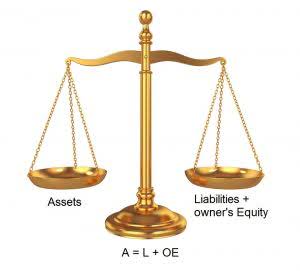
Understanding Double-Entry Bookkeeping for Real Estate Transactions

Compliance with various accounting standards and regulations is vital. Real estate entities must adhere to guidelines such as the Generally Accepted Accounting Principles (GAAP) or International Financial Reporting Standards (IFRS). This ensures transparency, consistency, and reliability in financial reporting, which is essential for stakeholders and investors. This involves assigning costs to specific projects or properties, which is essential for determining profitability.
- Tax planning and strategies ensure that tax liabilities are minimized.
- This comprehensive guide breaks down everything you need to know, from the basics of bookkeeping to the complexities of depreciation and capital gains.
- Not tracking mileage for business-related travel can result in missed deductions and incorrect expense reports.
- With their extensive knowledge, they can offer guidance, suggest optimization strategies, and even predict potential financial challenges.
- They often provide user-friendly interfaces and customizable features that cater specifically to the needs of real estate professionals.
Key Bookkeeping Practices for Real Estate Businesses

Such collaborations underscore the importance of real estate accounting in large-scale property investment. Cash flow statements provide a detailed view of a property’s cash inflows and outflows. They are essential for understanding bookkeeping for real estate a property’s liquidity and financial stability.
Leave a Reply